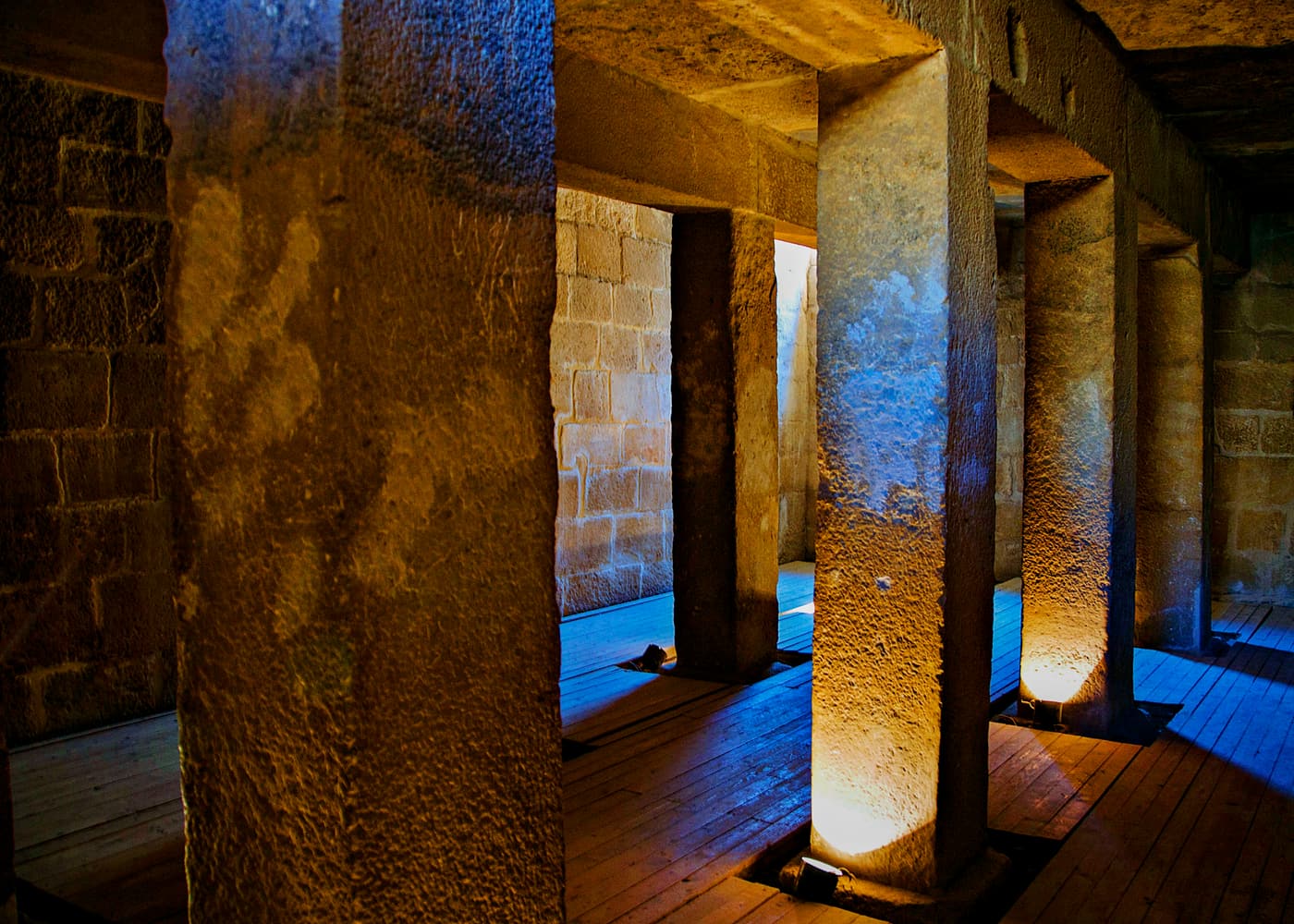
Who built the pyramids? The answer was found south of the Sphinx, beyond a colossal stone barrier known as the Wall of the Crow. Since the late 1980s excavations led by Mark Lehner have exposed a planned settlement often called the Lost City of the Pyramid Builders: long dormitory-like galleries, bakeries, breweries, fish-processing halls and the houses of overseers.
On the slope above it, a cemetery of the workers themselves came to light in 1990, reportedly after a horse stumbled on a mud-brick wall. Its modest tombs — some shaped like miniature pyramids — and the skeletons within, showing healed fractures and hard-worked joints, demonstrated that the builders were Egyptian labourers and craftsmen, fed on bread, beer and beef and buried with honour beside their king. They were not slaves.
What to see and do at Workers’ Village & Builders’ Tombs
See the Wall of the Crow
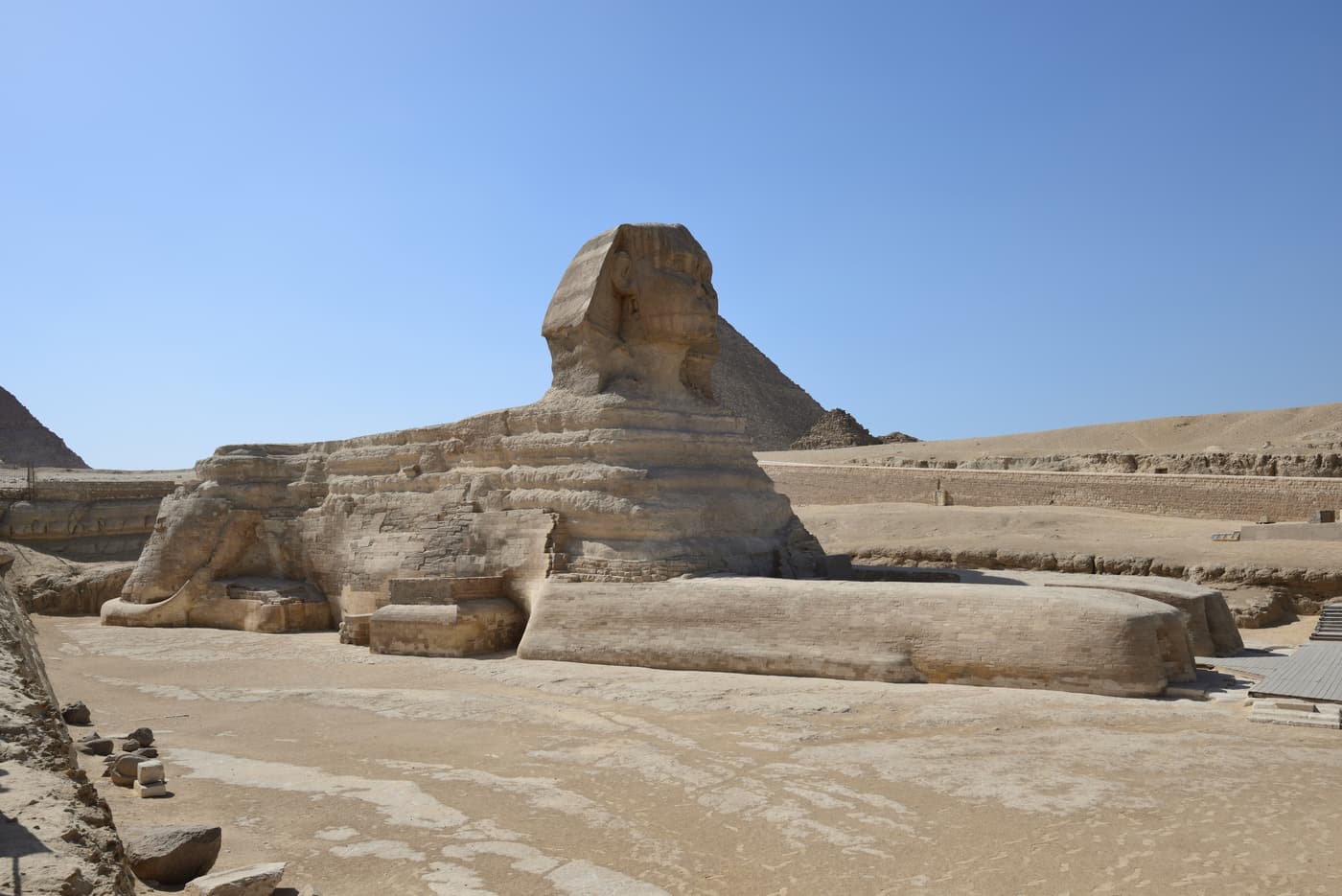
This wall of enormous limestone blocks, about 200 metres long and 10 metres high with a gateway roofed by vast lintels, separated the sacred necropolis from the workaday town. It can be seen from the area south of the Sphinx and the Valley Temple.
Visit the builders’ tombs if they are open
A group of the workers’ and overseers’ tombs has been opened to visitors at various times, usually on a separate ticket. Inscriptions name men with titles such as “overseer of the side of the pyramid” and “director of the draftsmen”.
See the evidence in the museum
Tools, pottery, bread moulds and statues from the workers’ town help explain daily life on the building site. Look out for them in the Grand Egyptian Museum.
How to get to Workers’ Village & Builders’ Tombs
- Location: the settlement and cemetery lie on the south-eastern edge of the plateau, south of the Sphinx.
- Access: the excavated town itself is an active archaeological area and is not generally open. Ask at the ticket office or through a specialist guide whether the builders’ tombs are open on the day of your visit.
Insider tips
- Treat a visit as a bonus rather than a plan: access rules here have changed repeatedly.
- If the subject fascinates you, hire a guide with an Egyptology background — this is one site where explanation is everything.
- The quarries from which most of the pyramids’ core blocks were cut lie between here and the pyramid of Khafre; your guide can point them out.
Best tours & tickets for Workers’ Village & Builders’ Tombs
These top-rated experiences are the easiest way to see Workers’ Village & Builders’ Tombs:
 Private tour from €48
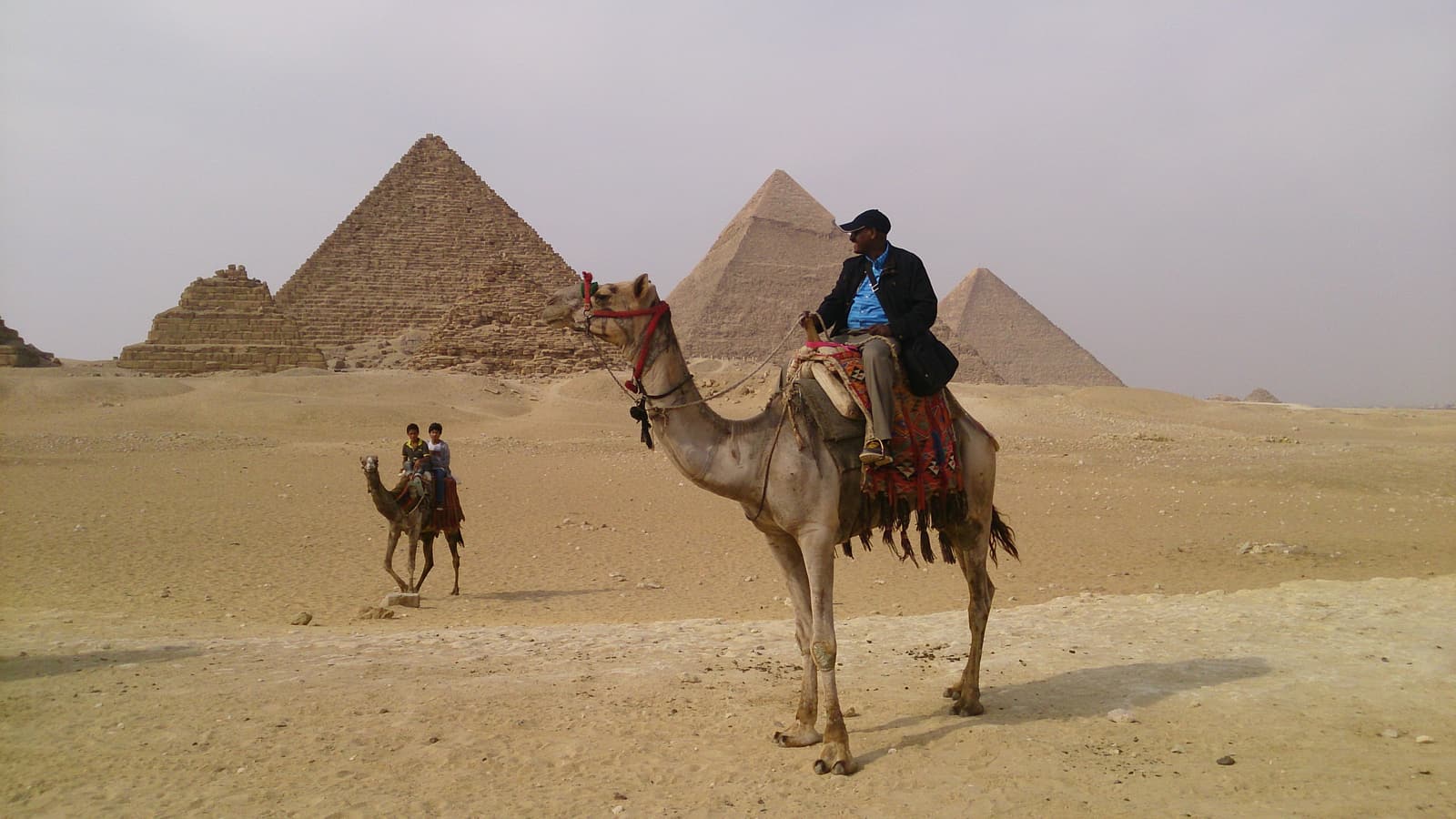
Cairo: Pyramids & Great Sphinx Private Tour with Camel Ride
The most-reviewed Giza tour on GetYourGuide, and deservedly. A private guide collects you from your hotel, walks you through the plateau at your own pace, sorts out the camel ride and keeps the vendors at bay. Longer options add extra sights.
- Your own Egyptologist guide and air-conditioned car
- The three pyramids, the panoramic viewpoint and the Sphinx
- Short camel ride arranged for you
 Walking tour from €37
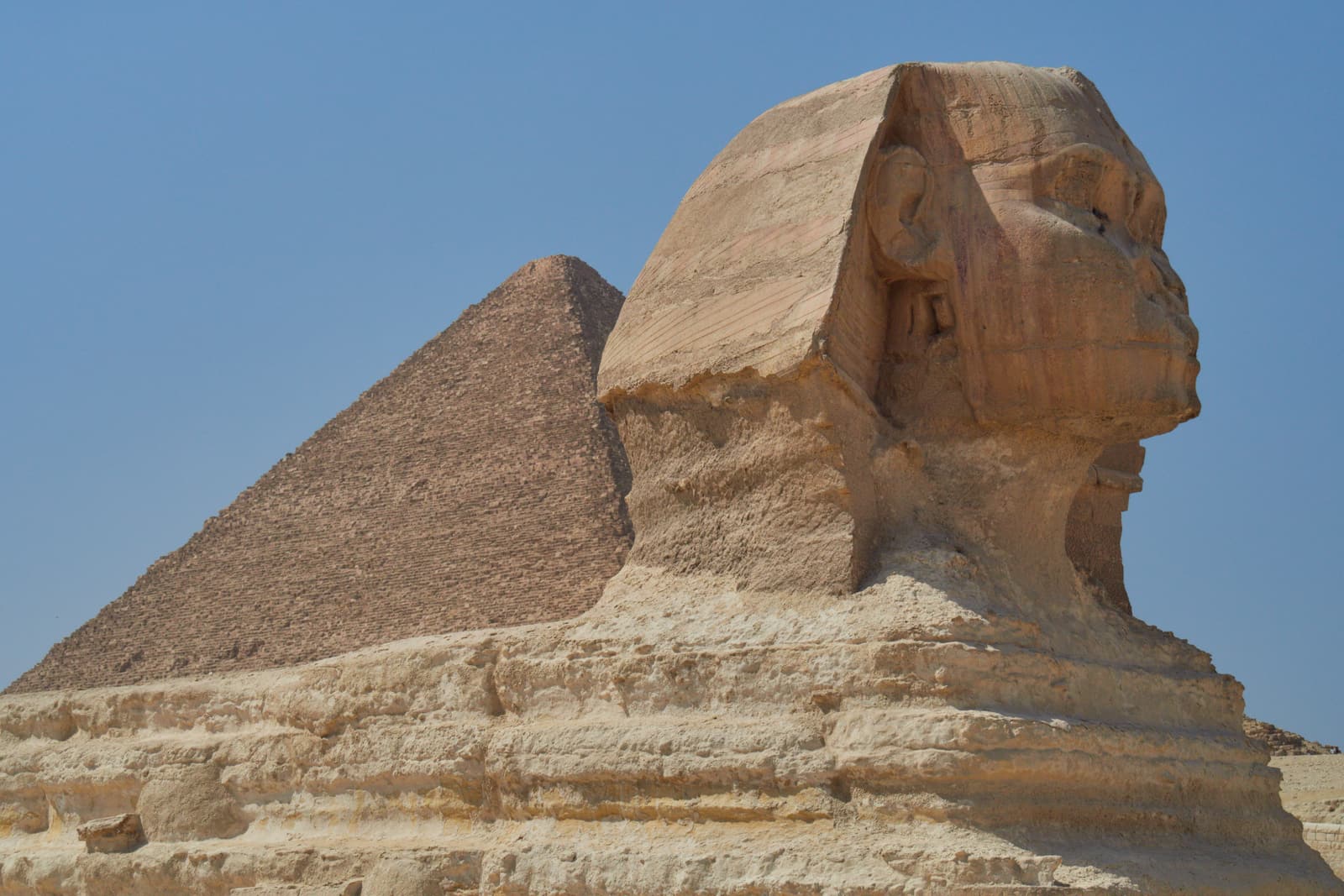
Giza Pyramids Walking Tour: Skip-the-Line, Sphinx & Views
A compact guided walk that starts at the plateau itself, so you are not paying for a car across Cairo. Good value if you are staying in a nearby guesthouse and simply want an expert to explain what you are looking at.
- Meet your guide at the site
- Khufu, Khafre and Menkaure plus the panoramic views
- Finish at the Great Sphinx