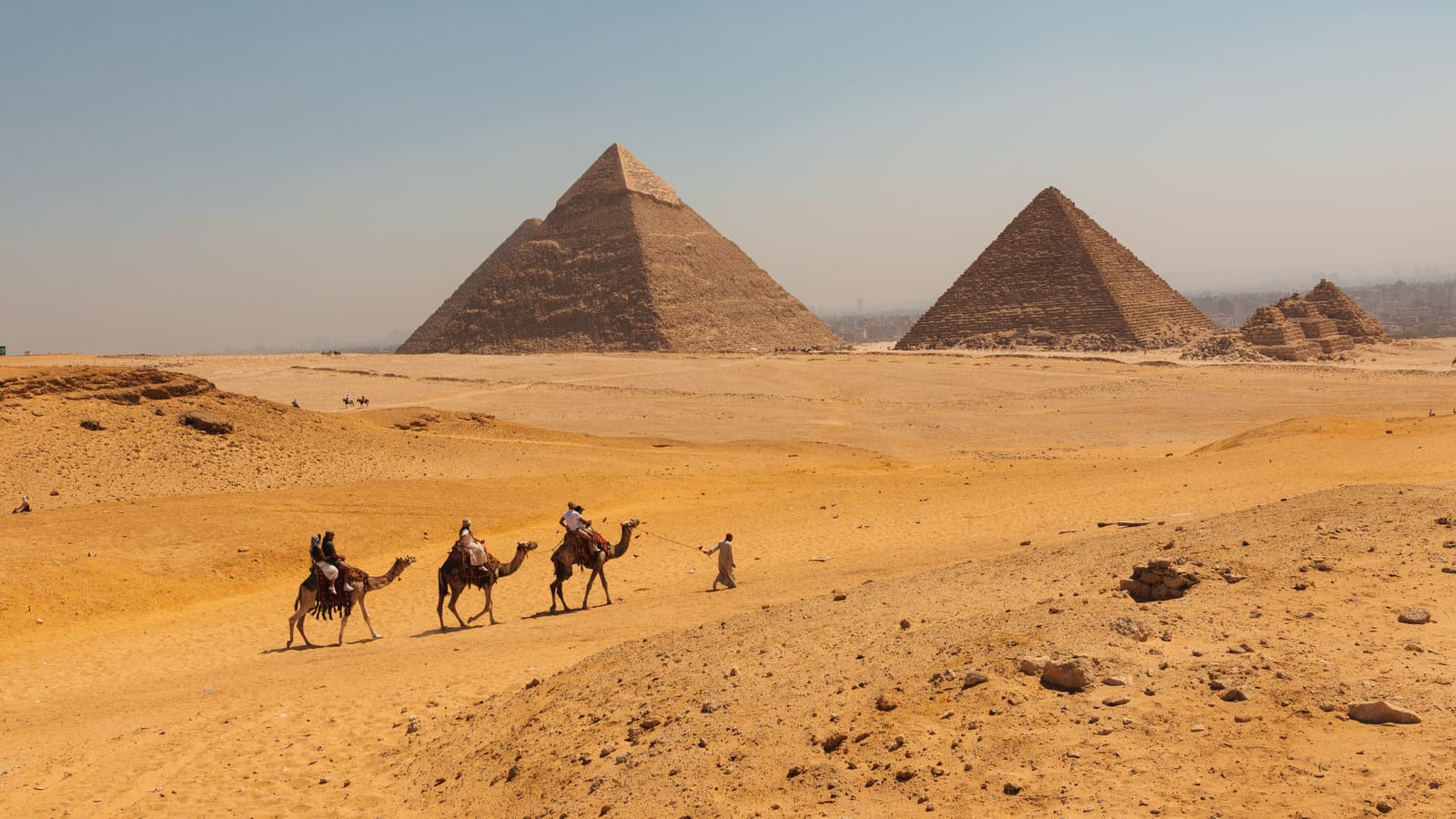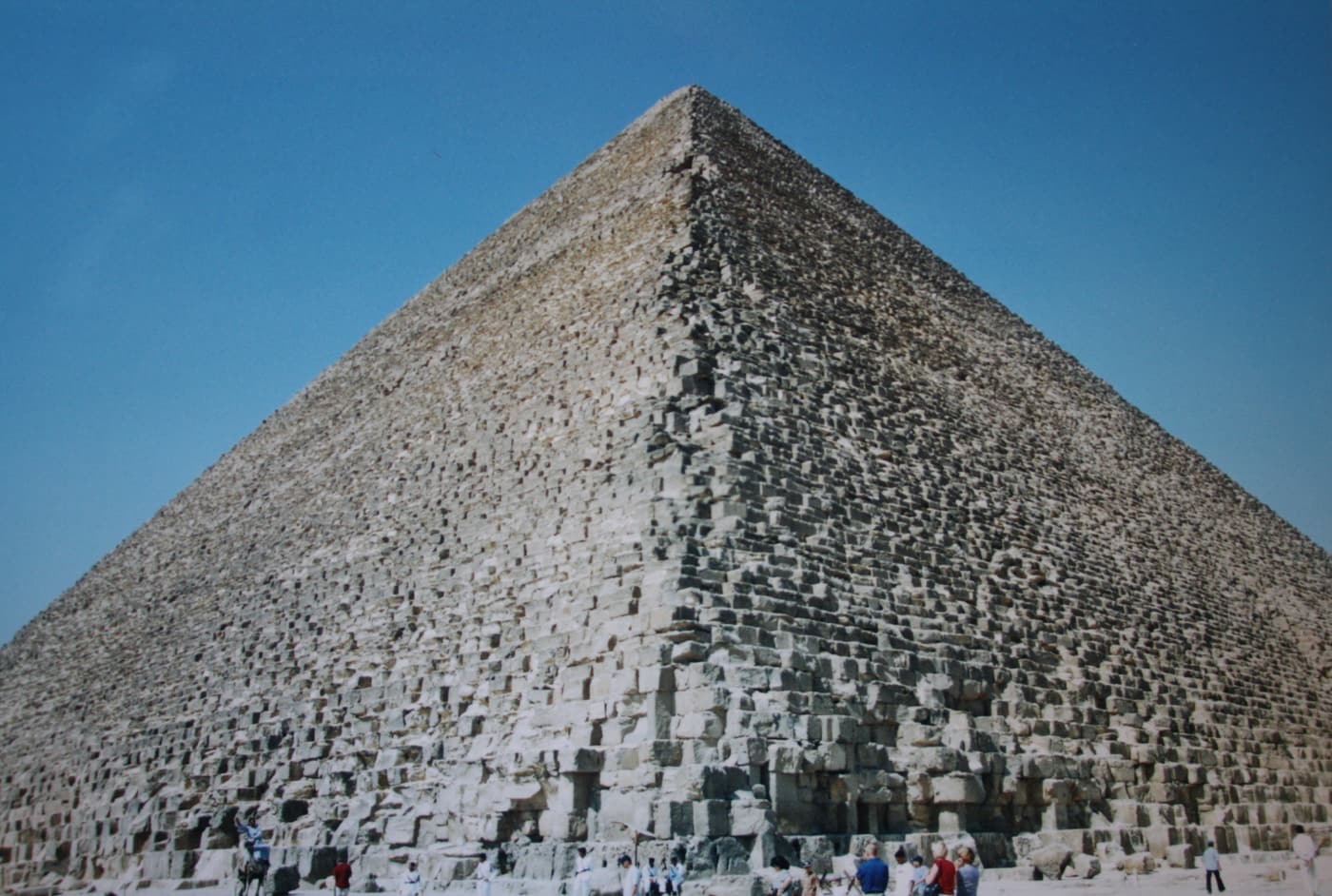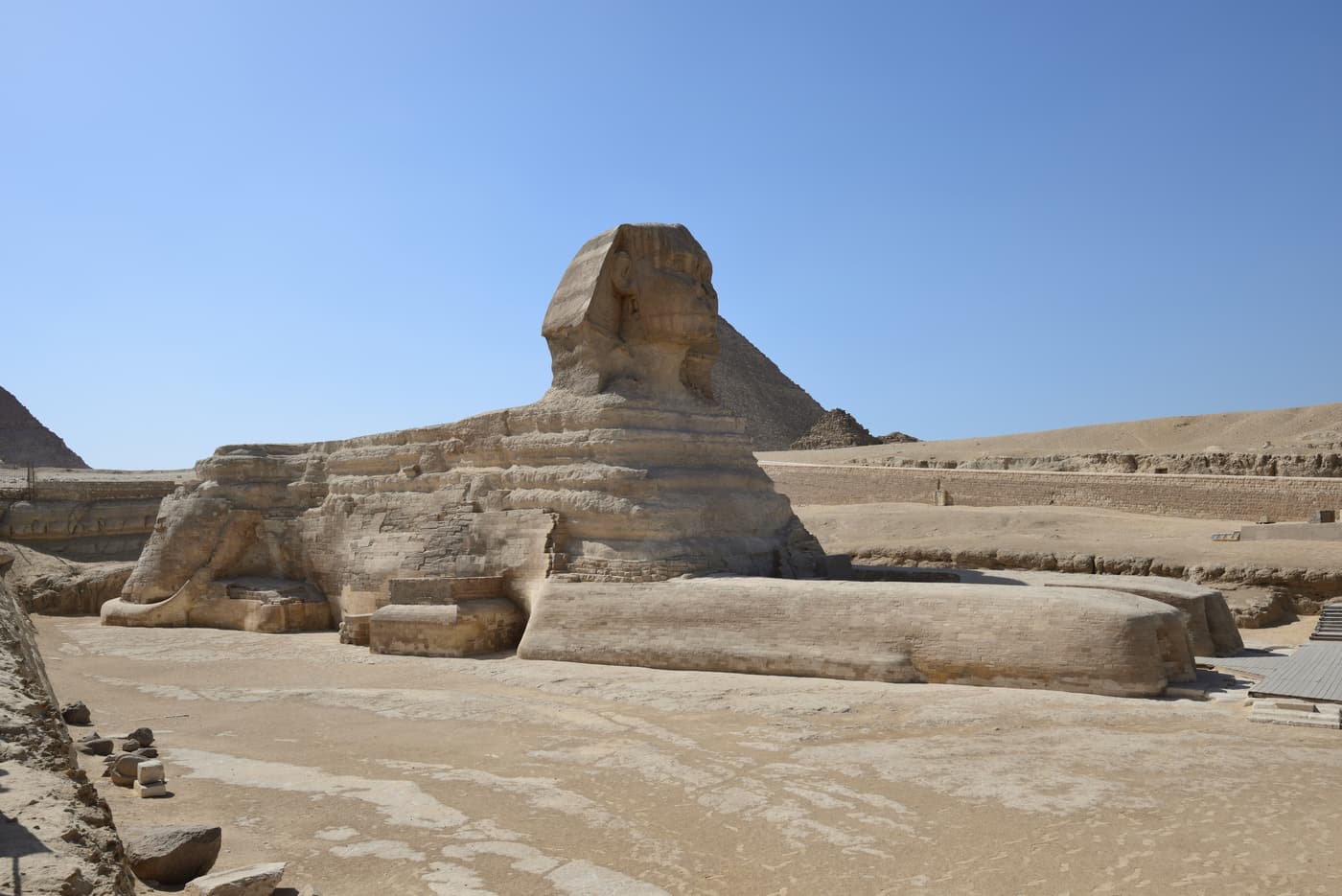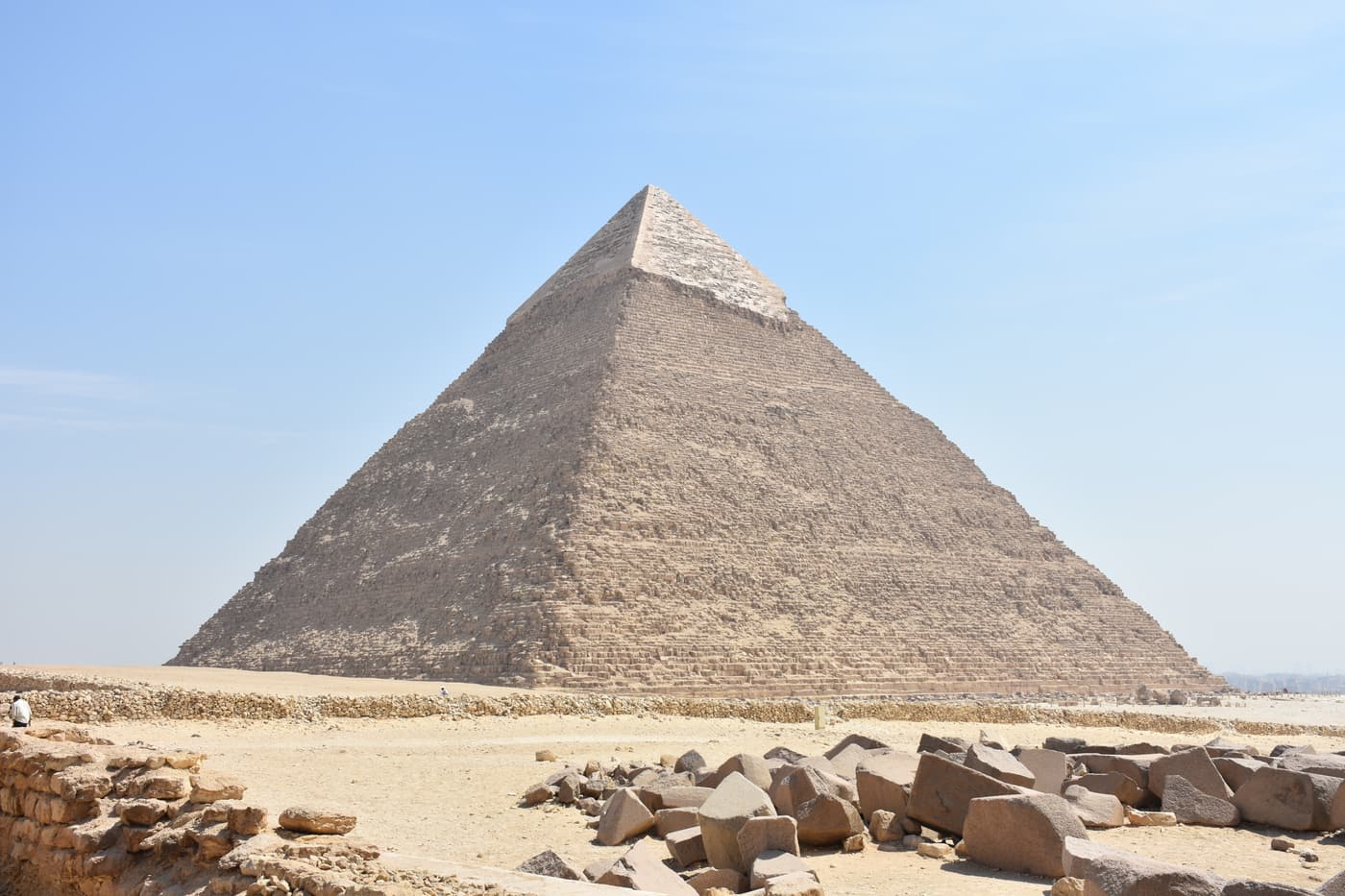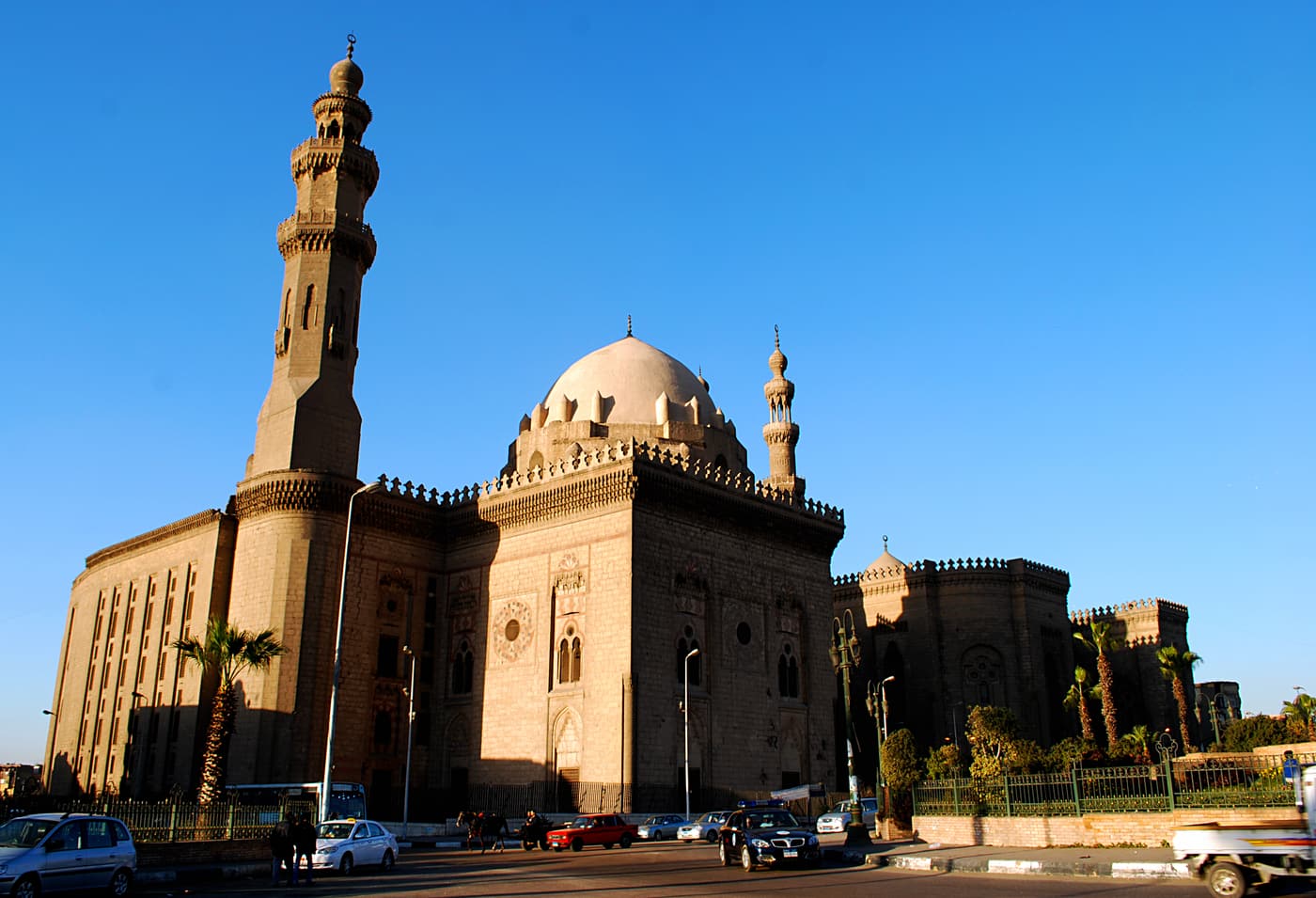
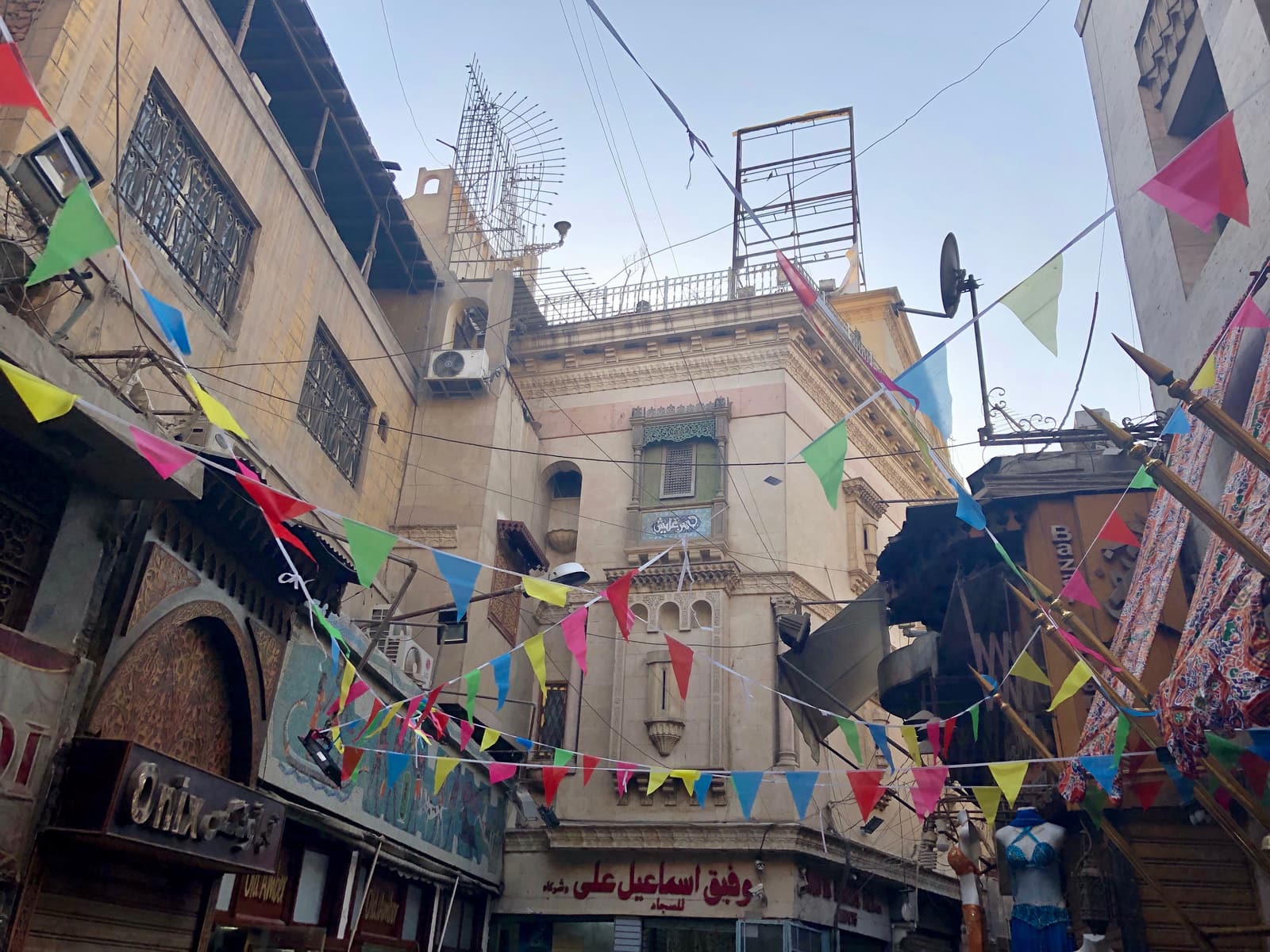
Cairo itself is a medieval city, founded in AD 969, and its historic core holds one of the densest concentrations of Islamic architecture anywhere: mosques, madrasas, mausoleums, caravanserais and fountains built by the Fatimids, Ayyubids, Mamluks and Ottomans. After the silent geometry of Giza, its noise, colour and human scale are a tonic.
The district is large and best tackled in two parts. To the south, below the Citadel, stands the colossal Mosque-Madrasa of Sultan Hassan. To the north, Al-Muizz Street runs between the old city gates past a parade of Mamluk monuments to the bazaar of Khan el-Khalili and the Al-Azhar Mosque.
What to see and do at Islamic Cairo
Stand in the courtyard of Sultan Hassan
Built between 1356 and 1363, this is one of the largest and most majestic mosques in the Islamic world: sheer walls nearly forty metres high, a towering portal and four vaulted halls opening on a marble court. Legend says its stone came from the casing of the pyramids. The Al-Rifa’i Mosque opposite holds the tombs of Egypt’s last kings.
Walk Al-Muizz Street
Start at the Fatimid gates of Bab al-Futuh and Bab al-Nasr and stroll south past the Mosque of al-Hakim and the hospital, madrasa and mausoleum of Sultan Qalawun. The street is pedestrianised for much of the day and beautifully lit at night.
Lose yourself in Khan el-Khalili
A bazaar since the fourteenth century: lamps, spices, perfume, silver and a great deal of tourist tat. Bargain cheerfully, then recover with mint tea at El Fishawy, a café that claims to have been open for more than two hundred years.
Climb to the Citadel
Saladin’s fortress, the seat of government for seven centuries, crowned by the Ottoman-style Mosque of Muhammad Ali. On a clear day the terrace gives a view across the whole city to the pyramids on the horizon.
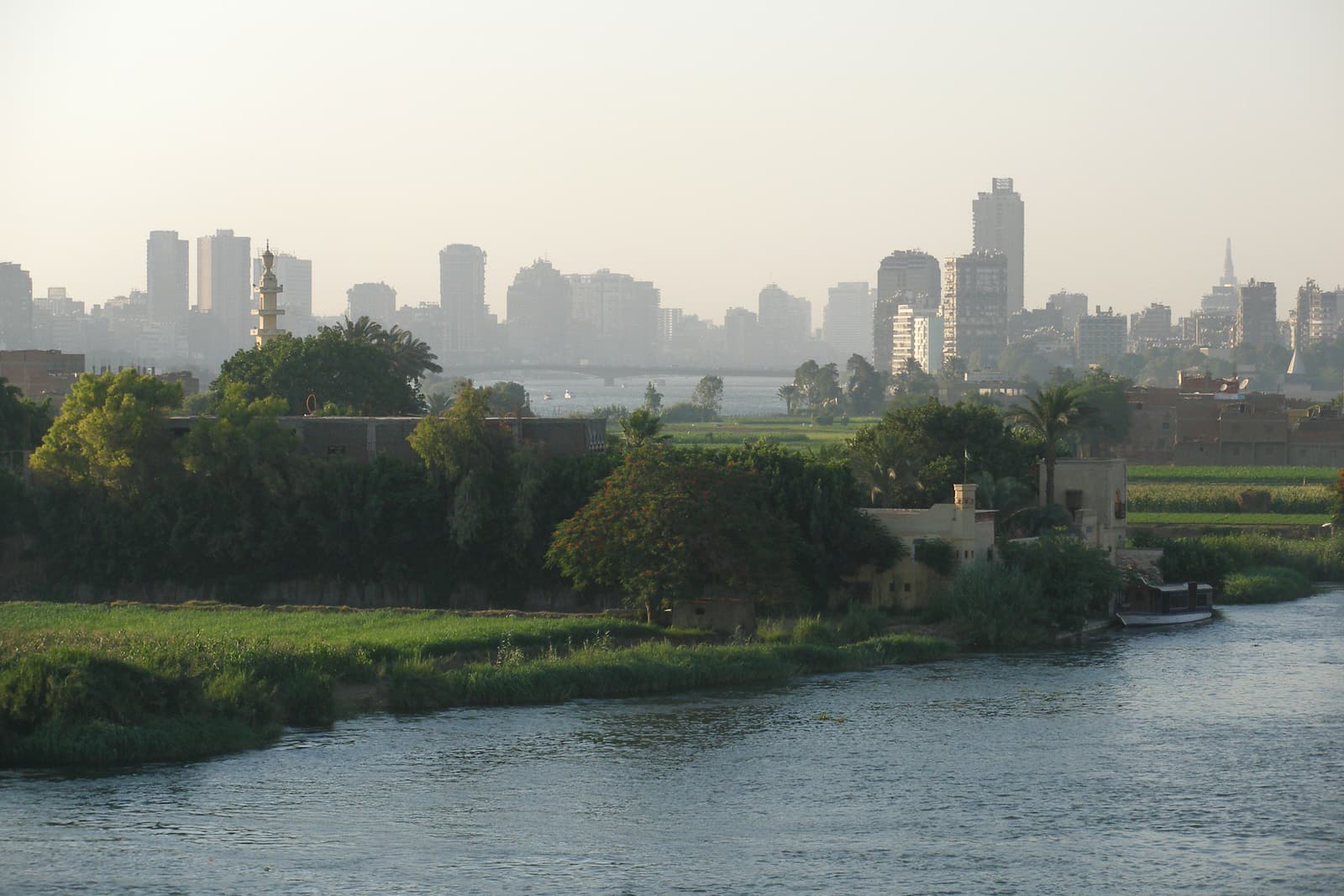
End the day on the Nile
A dinner cruise or a sunset sail in a felucca is the traditional way to round off a day in the city.
How to get to Islamic Cairo
- From Giza: 40–70 minutes by taxi or ride-hailing; traffic in the old city is slow.
- By metro: Bab El Shaaria (Line 3) is the nearest station to the northern end of Al-Muizz Street; Ataba is a 15-minute walk from Khan el-Khalili.
- On a tour: a guided walk makes sense of the maze and takes you into monuments you would not find alone.
Insider tips
- Dress modestly. Women should carry a scarf to cover their hair in mosques; shoes come off at the door.
- Avoid Friday midday, when mosques are closed to visitors for prayers.
- Some monuments on Al-Muizz Street share a combined ticket, sold by card.
- Late afternoon into evening is the most atmospheric time, and the coolest.
Best tours & tickets for Islamic Cairo
These top-rated experiences are the easiest way to see Islamic Cairo:
Walking tour from €38 Old Cairo Guided Walk Tour: History, Culture & Street Bites
A guided walk through the medieval heart of the city, from the Fatimid gates down a street lined with Mamluk mosques to the great bazaar, stopping to taste as you go. Lively, local and excellent value.
- Bab al-Futuh gate and Al-Muizz Street
- Mamluk mosques and the Qalawun complex
- Khan el-Khalili bazaar and street-food tastings
 Guided tour from €32
Cairo: Egyptian Museum, Citadel, and Old Cairo Guided Tour
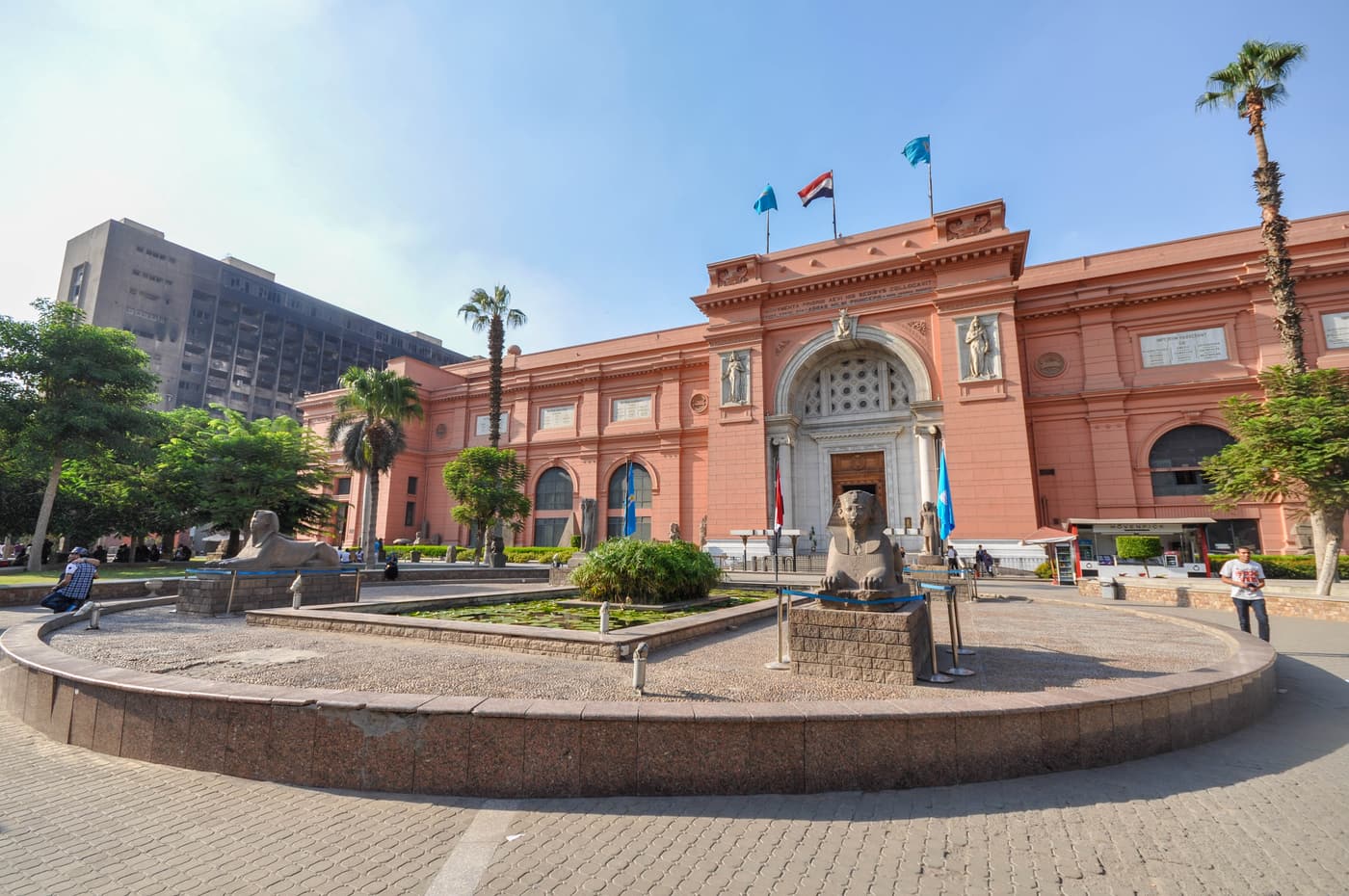
The rest of Cairo in a day: the grand old museum downtown, the hilltop Citadel with its city views and the ancient Christian quarter. Flexible options let you choose how many stops to include.
- The Egyptian Museum on Tahrir Square
- Saladin’s Citadel and the Mohamed Ali Mosque
- Churches and lanes of Coptic Old Cairo
 Guided tour from €74
Museum of Egyptian Civilization, Citadel & Old Cairo Tour
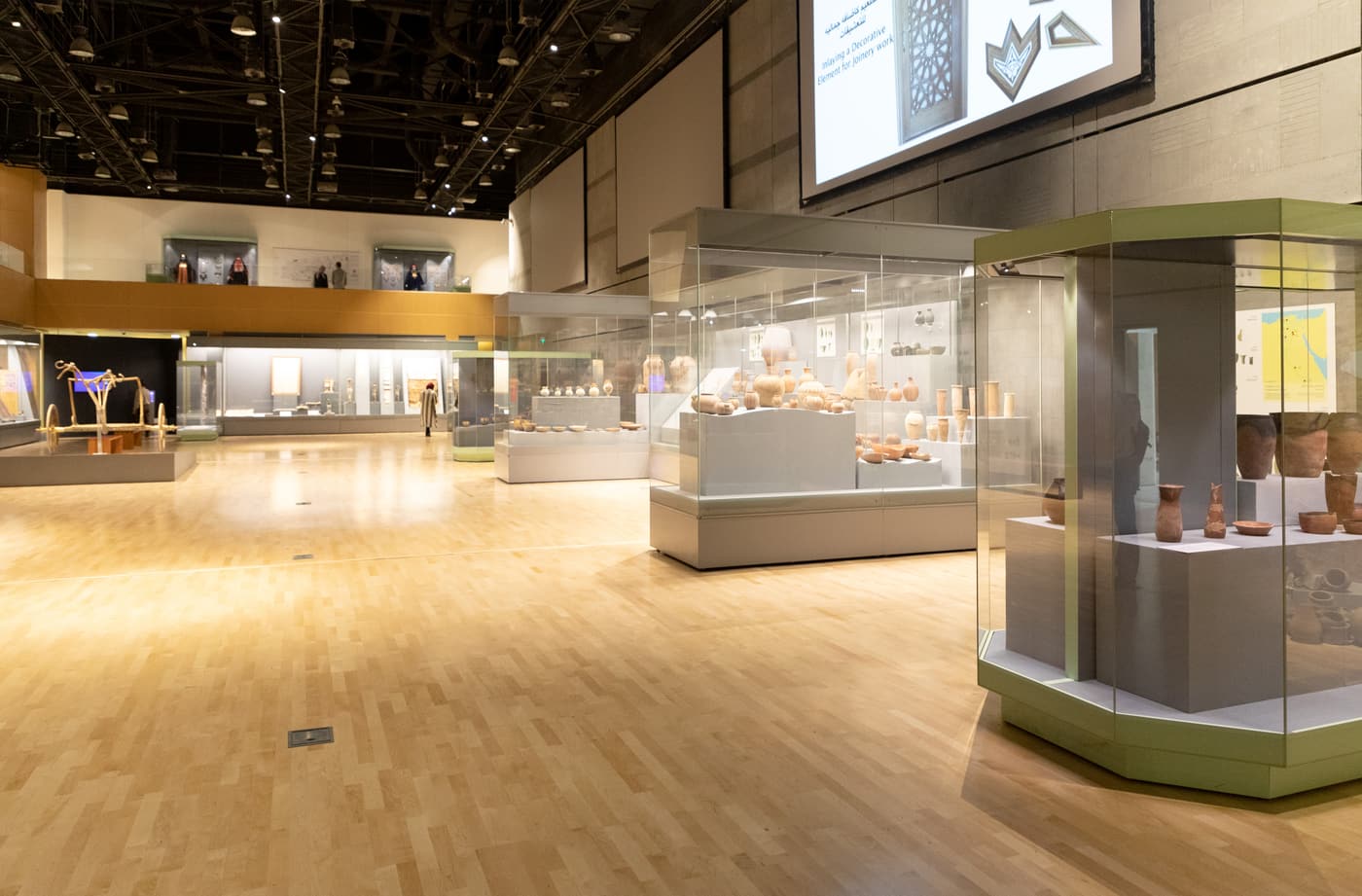
Come face to face with Ramesses II, Hatshepsut and Seti I in the Royal Mummies Hall, then continue to the Citadel and the churches and synagogue of Old Cairo with an expert guide.
- National Museum of Egyptian Civilization
- The Royal Mummies Hall
- The Citadel and Old Cairo